
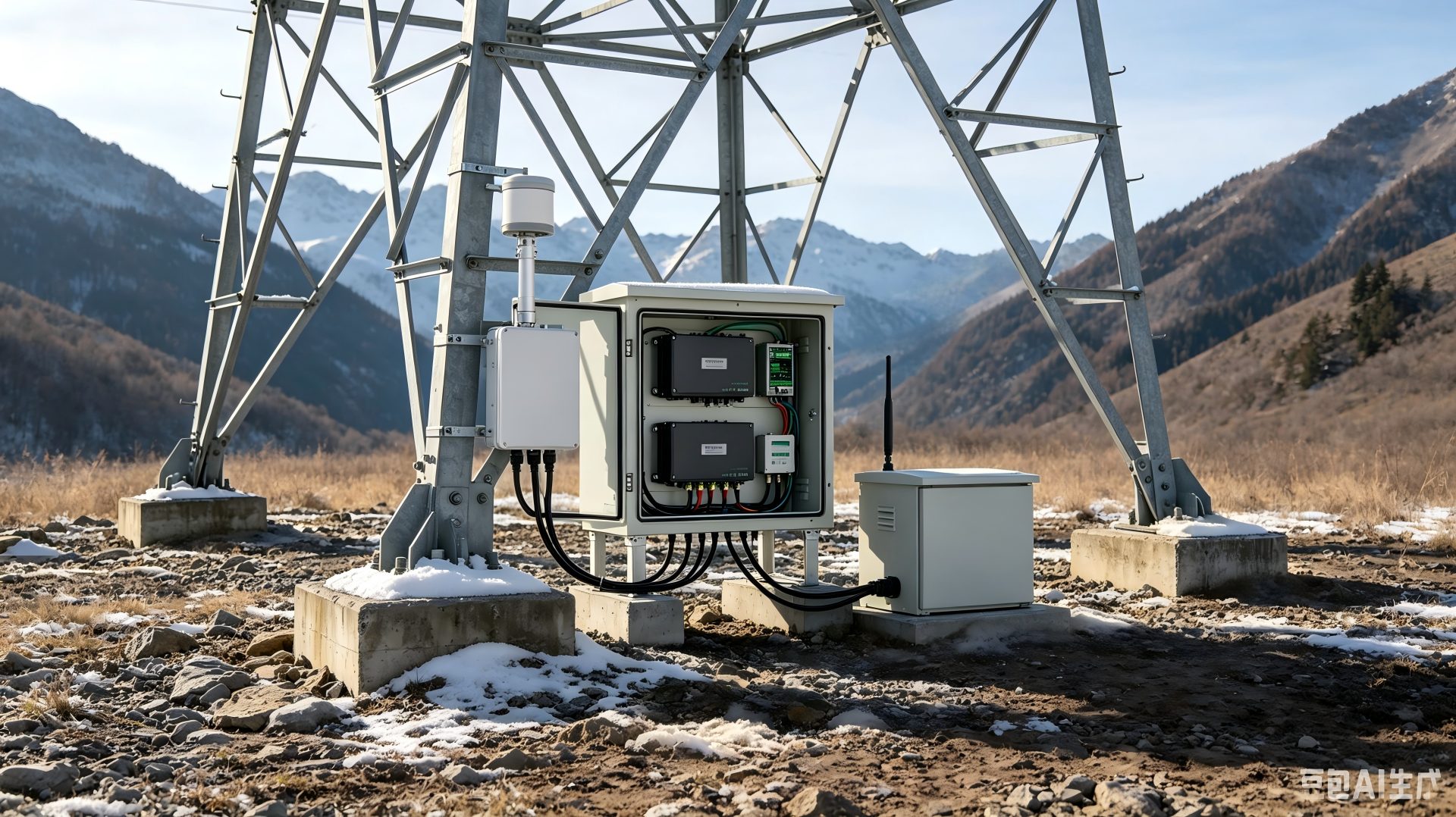
Low-Temperature Outdoor Energy Storage & Base Station Backup Power Solutions
I.Core Industry Pain Points
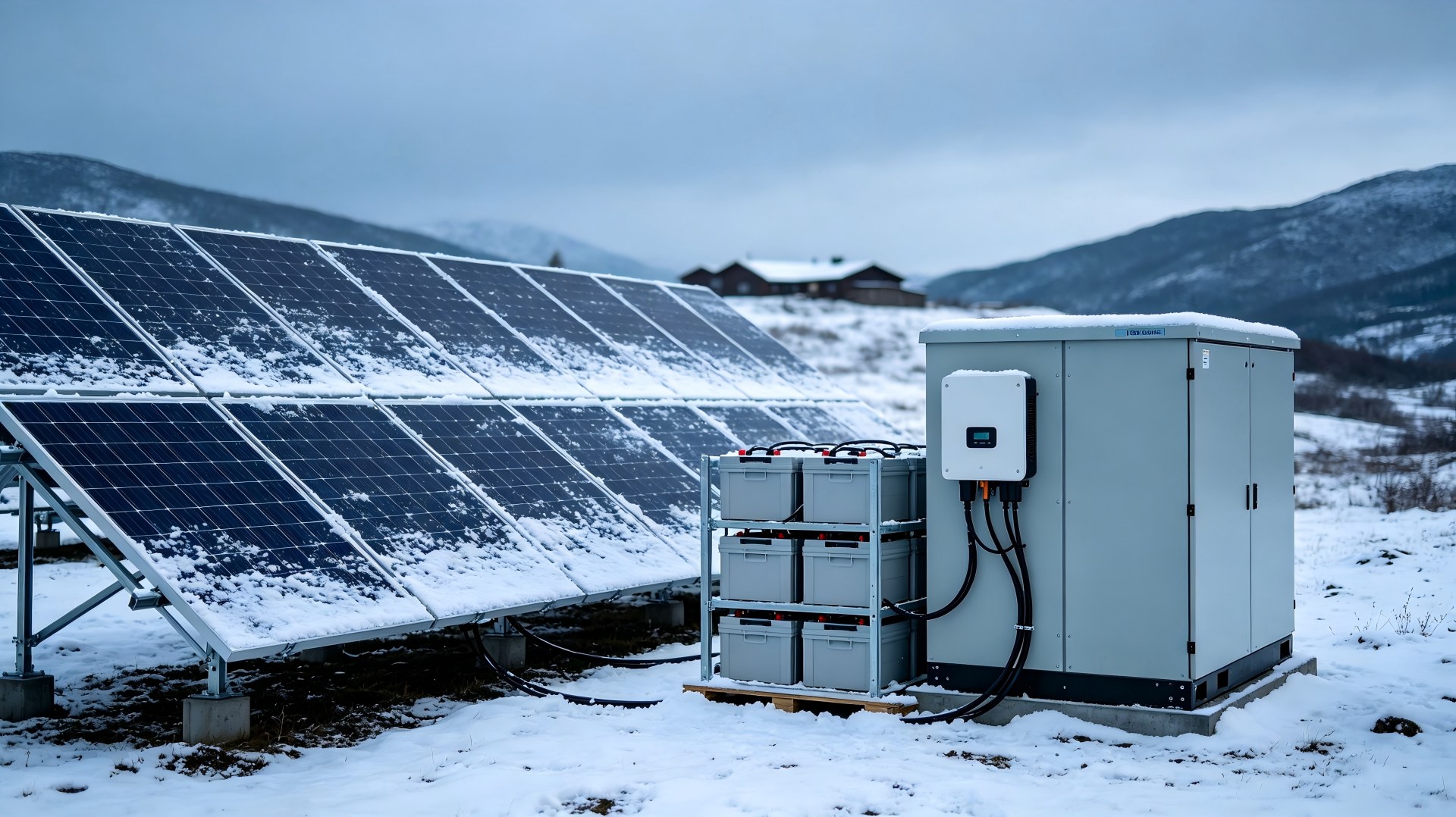
Outdoor communication base stations, off-grid photovoltaic energy storage systems, security monitoring terminals and other equipment deployed in frigid northern regions, high-altitude mountainous areas and unmanned border zones operate continuously under extreme low temperatures and complex field conditions. Traditional energy storage and backup power solutions have four prominent defects:
Severe capacity attenuation at low temperatures leading to unreliable backup power
Conventional commercial LiFePO4 cells suffer sharp discharge performance degradation below 0℃, with capacity retention dropping to less than 60% at -20℃ and barely working normally below -30℃. In winter, grid outages greatly shorten base station backup duration and easily cause communication interruptions. Coupled with reduced winter photovoltaic power generation and deteriorated battery discharge performance, off-grid energy storage systems frequently experience power outages and fail to sustain continuous equipment operation.
High operation and maintenance costs for remote sites and high full-cycle investment caused by short service life
Most outdoor base stations and energy storage sites are located in inaccessible mountainous, desert and border areas, resulting in extremely high costs for manual inspection and battery replacement. Ordinary energy storage cells age rapidly under alternating high and low temperatures and require full set replacement every 3 to 5 years, leading to high material and maintenance costs throughout the lifecycle.
Outstanding safety and stability challenges in complex outdoor conditions
Outdoor equipment is exposed to drastic day-night temperature differences, intense solar radiation, freezing and thawing cycles, dust, humidity and lightning surges all year round. Standard cells feature defective sealing and unstable electrodes, prone to swelling, electrolyte leakage and rising internal resistance, and even face thermal runaway risks in extreme cases, posing hidden dangers to long-term stable site operation.
Limited installation space and difficult capacity expansion
Outdoor base station cabinets and small energy storage cabinets have confined installation space. Traditional lead-acid batteries and low-energy-density lithium batteries are bulky and heavy, bringing difficulties to installation and transportation, and failing to meet subsequent site capacity expansion demands.
II. Core Technical Advantages
Developed on the basis of our self-owned wide-temperature energy storage cell technology platform, this solution is specially optimized for outdoor low-temperature energy storage and backup power scenarios, with full-scenario adaptation from material systems to structural design:
Wide-temperature dedicated electrochemical system:Adopting customized low-temperature electrolyte formula, anode surface carbon coating modification and high-stability cathode crystal regulation technology, our cells achieve an ultra-wide operating temperature range. They maintain ≥80% discharge capacity retention at -40℃ and support normal charging at -20℃, fundamentally solving the industry problem of sharp capacity drop in winter. Meanwhile, the cells deliver excellent high-temperature thermal stability, adapting to outdoor exposure conditions up to 60℃ in summer.
Long-cycle engineered design:Our LiFePO4 cells adopt high-crystallinity olivine cathode materials, high-elasticity separators and low-consumption electrolyte systems, effectively inhibiting electrode structural collapse and electrolyte decomposition during charging and discharging. The cells achieve over 6,000 cycles under standard working conditions, with a service life 50% longer than ordinary energy storage cells in low-temperature cycling environments, greatly extending the overall service life of battery packs.
Dual cell-level and system-level safety protection:All cells pass rigorous safety tests including overcharge, overdischarge, acupuncture and extrusion, with zero thermal runaway risk in wide-temperature environments. The dedicated energy storage BMS realizes real-time full-dimensional monitoring of voltage, current and temperature. Combined with sealed waterproof and anti-vibration structural design, the battery system adapts to complex outdoor environments with dust, humidity and severe vibration.
High-energy-density compact structure:Optimized electrode coating and cell winding/stacking structures improve volumetric and gravimetric energy density. The overall volume is reduced by 30% compared with traditional energy storage solutions under the same capacity, perfectly fitting the limited space of base station and small energy storage cabinets and lowering installation and capacity expansion difficulties.
Core Performance Parameters:Operating temperature range: -40℃ ~ +60℃; Low-temperature discharge capacity retention @ -40℃: ≥80%; 1C charge-discharge cycle life (80% DOD): ≥6,000 cycles; Annual self-discharge rate at room temperature: ≤2%; Fully meeting the reliability requirements of long-term outdoor backup power operation.
III. Solution Values
All-climate reliable backup power ensuring continuous power supply
The wide-temperature design adapts to outdoor environments across most regions. It guarantees sufficient backup duration even in extreme cold winters in Northeast and Northwest China, effectively reducing risks of base station outage and energy storage system power interruption, and ensuring year-round uninterrupted operation of communication, monitoring and off-grid power supply equipment.
Prolonged service life and reduced full-lifecycle costs
With excellent high and low temperature aging resistance and ultra-long cycle life, the battery pack serves 8–10 years, over 30% longer than ordinary energy storage solutions. It significantly reduces battery replacement frequency for remote sites, cuts manual maintenance and material costs, and improves overall project benefits.
Multi-layer safety protection reducing site operation risks
Full-link safety design from cell materials to system defense effectively avoids swelling, leakage, fire and other safety hazards in complex outdoor conditions. The ultra-low self-discharge feature supports long-term standby operation, enabling stable emergency power supply at any time during sudden grid outages.
Flexible deployment adaptable to multiple scenarios
Our full-range products cover low-capacity backup power to large-capacity energy storage. Flexible series-parallel combination and customized design are available, compatible with communication base stations, off-grid photovoltaic systems, security monitoring and other mainstream energy storage architectures, reducing customer adaptation and renovation costs.
IV. Core Applicable Products
Model | Rated Capacity | Rated Voltage | Operating Temperature Range | Cycle Life | Applicable Scenarios |
BHL12118365-119Ah Low-Temp Energy Storage Cell | 119Ah | 3.35V | -40℃ ~ +60℃ | ≥4000 cycles | Medium and large outdoor base station backup power, off-grid photovoltaic energy storage systems |
BHL36130216-100Ah Low-Temp LiFePO4 Cell | 100Ah | 3.2V | -40℃ ~ +60℃ | ≥6000 cycles | Large-scale energy storage power stations, industrial backup power systems, grid-side energy storage |
BHL1187187-31Ah Low-Temp Pouch Cell | 31Ah | 3.8V | -40℃ ~ +60℃ | ≥3000 cycles | Small base station backup power, distributed energy storage nodes, security monitoring terminals |
Custom integrated battery packs and supporting management systems are available according to customer-specific voltage, capacity and installation space requirements.
V. Typical Application Scenarios
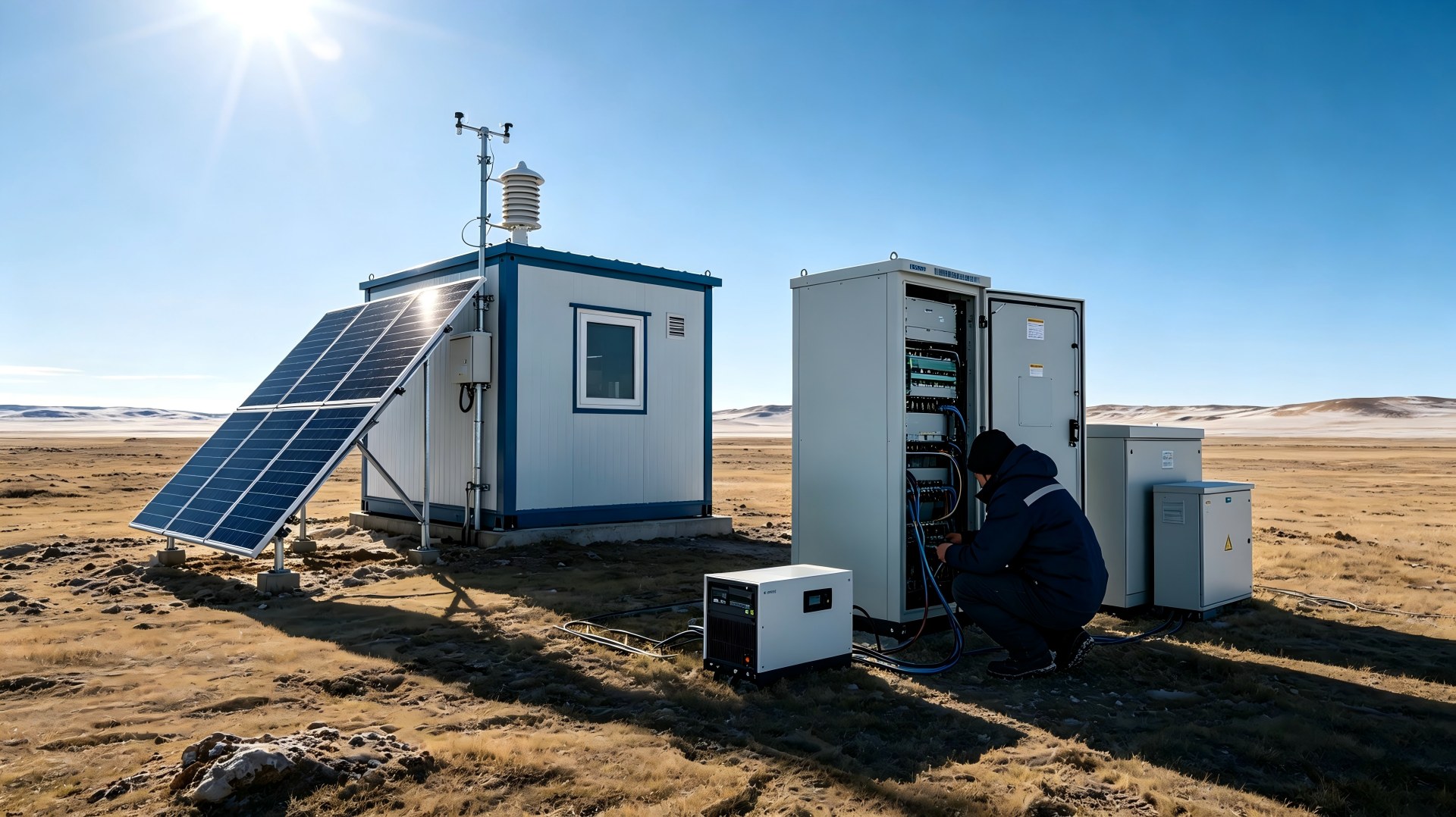
Outdoor Communication Base Station Backup Power:Serves as standby power for 5G base stations in northern and high-altitude areas, unmanned border communication base stations and mountain transmission base stations, ensuring continuous operation of communication equipment during grid outages.
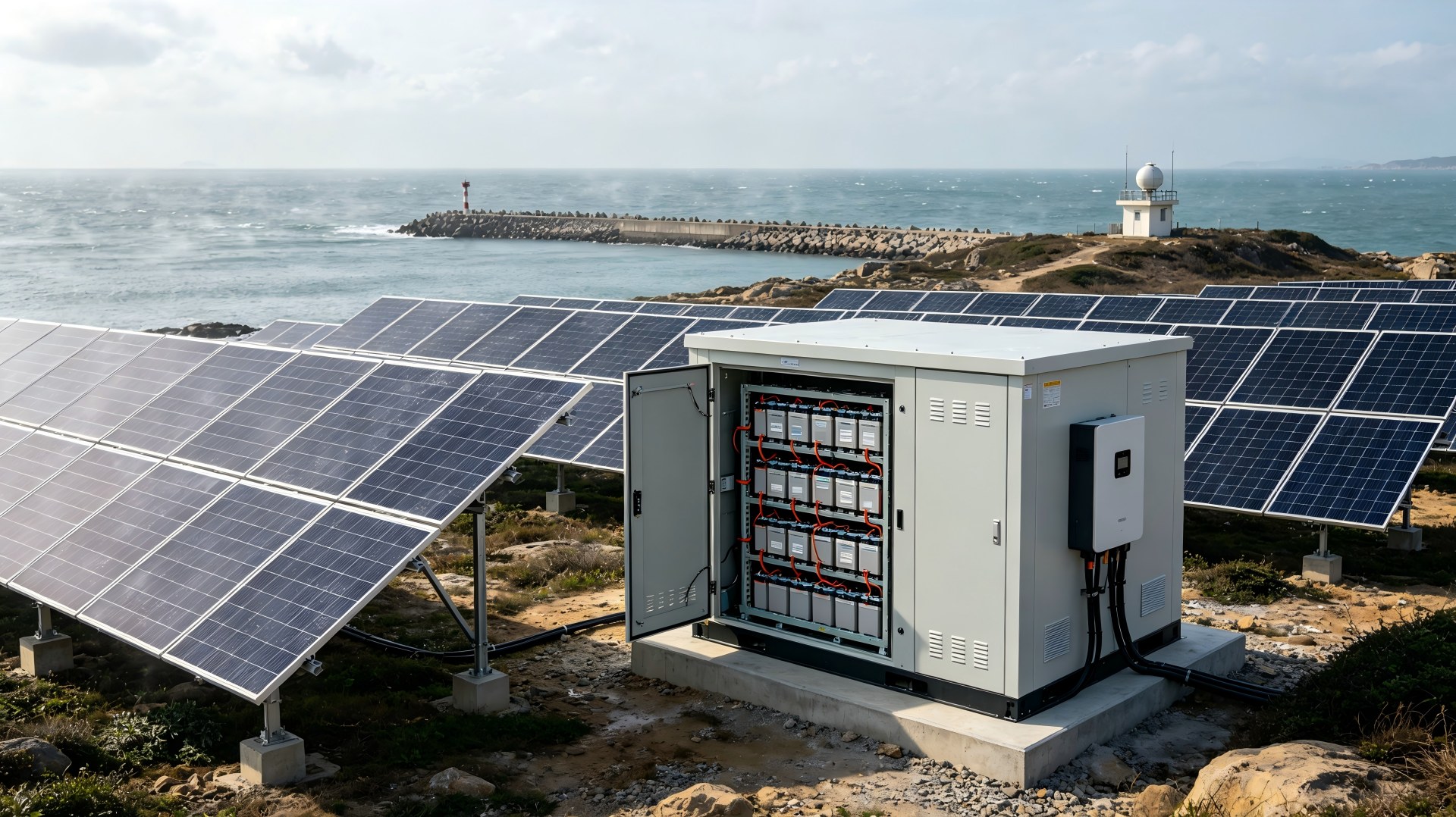
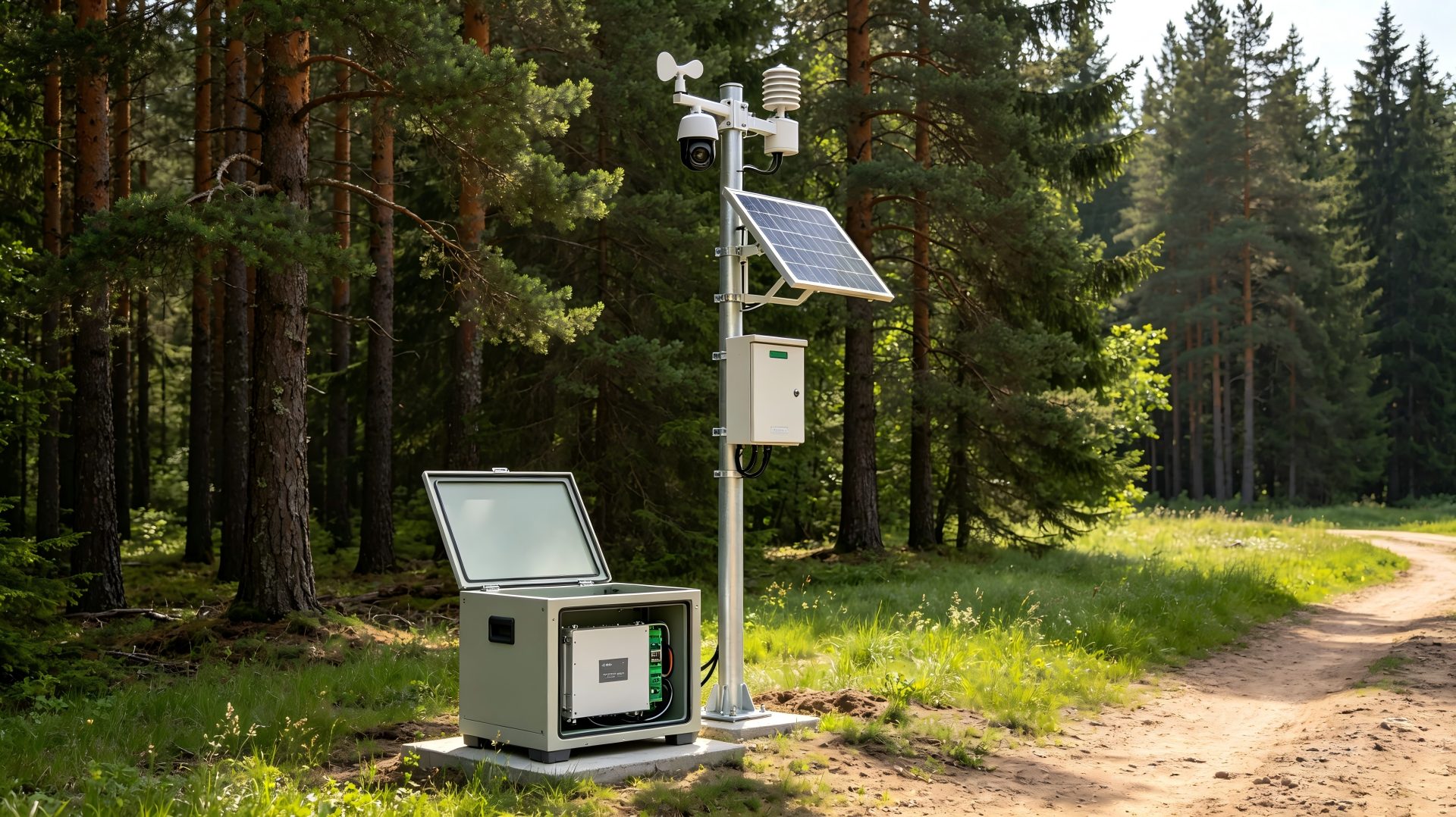
Off-Grid Photovoltaic Energy Storage Systems:Provides stable power supply for off-grid areas such as pastoral zones, islands and mountainous regions, supporting unattended power supply for field observation stations and forest fire monitoring stations.
Security & Monitoring Energy Storage:Supports long-term unattended operation of border security monitoring equipment, hydrological monitoring stations, meteorological and seismic observation stations via reliable energy backup.
Industrial Special Backup Power:Acts as standby power for field oil well stations and power transmission line monitoring terminals, adapting to harsh wide-temperature outdoor working conditions.