
2026 Low-Altitude Economy Enters Systematic Development: The Trillion-Dollar Industry Shifts From Pilot Trials to Normalized Operations
2026 is widely regarded as a pivotal year for the low-altitude economy, marking its transition from policy-led pilot trials to large-scale standardized operations. With the revised Civil Aviation Law of the People’s Republic of China officially taking effect on July 1, the low-altitude economy has been formally incorporated into the national legal framework. Supporting full-chain regulations covering airworthiness certification, airspace utilization, flight management and safety supervision have been gradually implemented, establishing unified national operational standards for the industry.

In terms of policy layout, the low-altitude economy has been included in the national government work report for three consecutive years, with its industrial positioning upgraded from a “new growth engine” to an “emerging pillar industry”. All 31 provincial-level administrative regions have incorporated low-altitude economic development into their 2026 government work plans, forming a nationwide hierarchical deployment pattern. Key national policies including digital infrastructure guidelines and the 2025 Low-Altitude Economy Standard System Construction Guide have clarified standardized development paths for technology iteration, data interaction and emergency response mechanisms.
The low-altitude economy has steadily grown into a trillion-scale industry. According to industrial forecasts, the core market scale continues to expand in 2026, with accelerated commercialization of industrial drones, eVTOL vehicles, low-altitude inspection and emergency rescue scenarios. Industrial competition has evolved from early technological monopoly to diversified market competition. The mid-to-low-end application market is booming, the upstream and downstream industrial chain matures rapidly, and the independent R&D and manufacturing capacity of core components continues to improve.
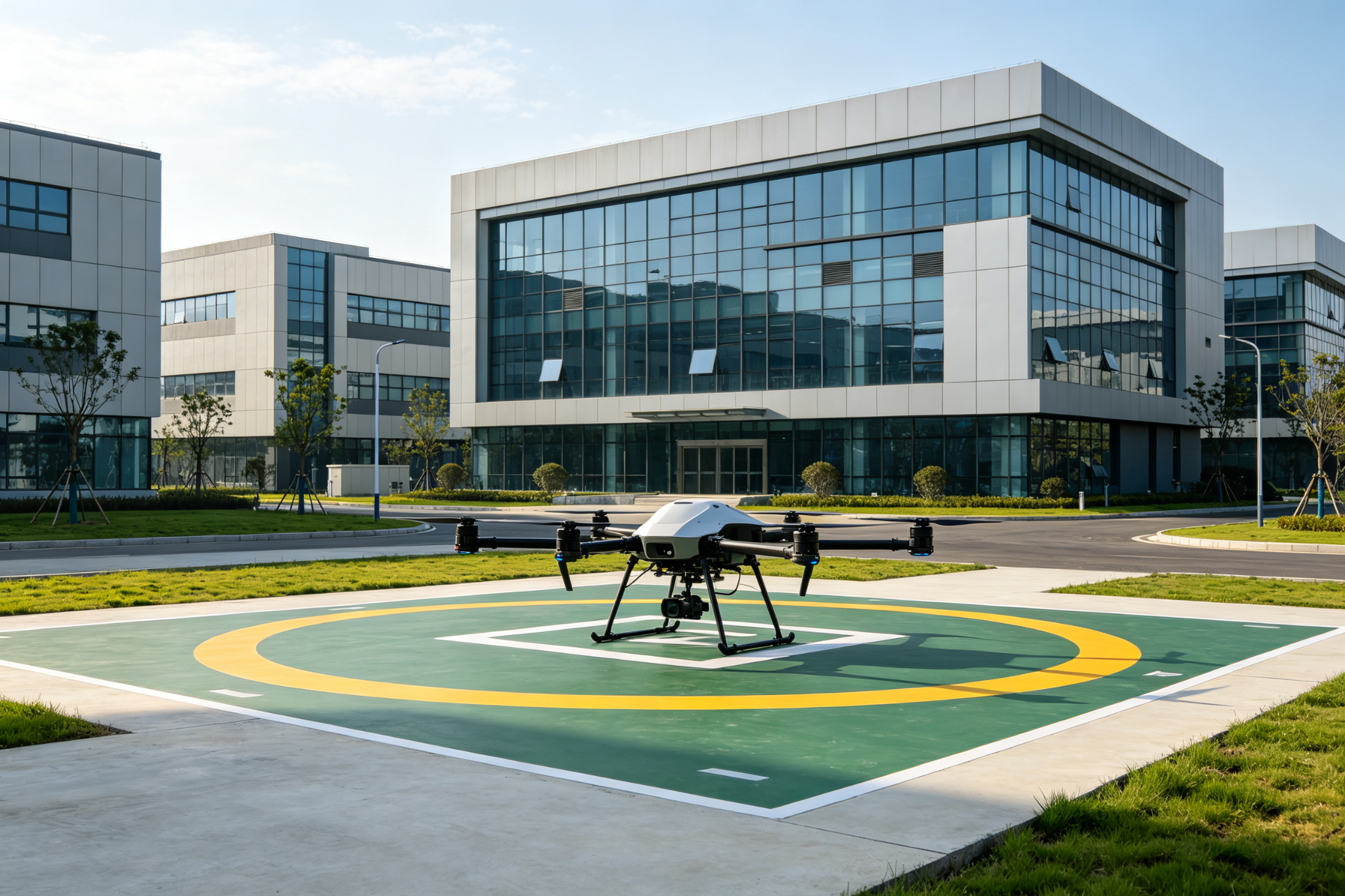
In terms of application scenarios, the industry has formed a dual-driven development model based on regional expansion and scenario diversification. Multiple application segments have entered large-scale verification and commercial implementation, including urban logistics distribution, public security patrols and emergency fire rescue, as well as field operations such as power inspection, geological exploration and disaster relief. Special scenarios including border patrol and communication relay are also steadily advancing. Among them, emergency rescue and industrial inspection stand out as the fastest-growing segments due to rigid market demand and clear commercialization paths.
The large-scale development of the low-altitude economy has raised higher requirements for energy power systems from upstream core component suppliers. Special batteries featuring long endurance, wide-temperature adaptability, high safety and high discharge rates have become core foundational components, ensuring stable operation of industrial drones, tethered lighting equipment, emergency communication terminals and other low-altitude devices. With the continuous expansion of low-altitude application scenarios, customized energy solutions adapted to extreme environments will emerge as a high-growth segment across the industrial chain.